| |

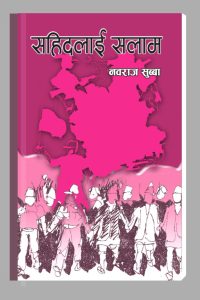
सहिदलाई-सलाम

सहिदलाई-सलाम, गीतसंग्रह, २०१०
सहिदलाई सलाम, गीतसंग्रह, २०१०

सहिदलाई-सलाम: गीतसंग्रहको परिचय

सहिदलाई-सलाम गीतकार नवराज सुब्बाद्वारा लिखित  एउटा प्रेरणादायी गीतसंग्रह हो। २०६६ सालमा साझा प्रकाशनबाट प्रकाशित यो कृतिमा ५८ विविध विधाका गीतहरू समेटिएका छन्। यस पुस्तकमा देशभक्ति गीत, बालगीत, लोकलयमा आधारित गीत, हास्य–व्यङ्ग्य गीत, र आधुनिक गीतहरू संग्रहित छन्। गीतहरूले नेपाली समाज, संस्कृति, र राष्ट्रिय चेतनाका विविध आयामलाई समेटेर पाठकको मन छुने प्रयास गरेका छन्।

<h3>गीतसंग्रहको विशेषता

 गीतसंग्रह पाँच खण्डमा विभाजित छ। प्रत्येक खण्डमा फरक सन्दर्भ र भावना समेटिएका गीतहरूले नेपाली समाजको विविधता र सांस्कृतिक सौन्दर्यलाई उजागर गरेका छन्। गीतहरूमा लोकलय, राष्ट्रिय प्रेम, बालमनोविज्ञान, हास्य, र व्यङ्ग्यका आयाम छन्। यी गीतहरू कालजयी बन्ने विश्वासका साथ साझा प्रकाशनले यो कृति पाठकमाझ प्रस्तुत गरेको हो।

<h3 style=”background-color: transparent;”>सहिदलाई-सलाममा गीतकारको दृष्टिकोण

नवराज सुब्बाका गीतहरूमा नेपाली समाज र माटोप्रतिको माया प्रष्ट देखिन्छ। उनका गीतहरूले हिमालदेखि तराईसम्मका सौन्दर्य, पहिचान, र एकताको भावना झल्काउँछन्। उनका शब्दहरूले माटो, मान्छे, र संस्कृतिलाई यथार्थ रूपले प्रस्तुत गर्छन्। गणेश रसिकको भनाइ अनुसार, सुब्बाले नेपालभित्रको सम्पूर्ण समाजलाई चिनेका छन् र आफ्नो राष्ट्रप्रतिको प्रेमलाई गीतका रूपमा व्यक्त गरेका छन्।

<h3 style=”background-color: transparent;”>सहिदप्रतिको श्रद्धा

यस गीतसंग्रहले सहिदप्रतिको सम्मान र श्रद्धा व्यक्त गर्दछ। सुब्बाका गीतहरूले नेपाली समाजलाई एकताबद्ध गर्ने सन्देश प्रवाह गर्छन्। उनका गीतहरू केवल नेपालभित्र सीमित छैनन्, बरु विश्वभरि रहेका नेपालीहरूलाई पनि भावनात्मक रूपमा जोड्छन्।

<h3 style=”background-color: transparent;”>सहिदलाई-सलामको निष्कर्ष

सहिदलाई सलाम केवल गीतहरूको संग्रह होइन, यो एक राष्ट्रप्रेम र मानवतावादको प्रतीक हो। गीतकार नवराज सुब्बाको यस कृतिले नेपाली साहित्यलाई समृद्ध बनाउँदै पाठकहरूको मनमा गहिरो छाप छोडेको छ।

#SahidlaiSalam #NepaliSongs #NawarajSubba #NepaliLiterature #Patriotism 

#सहिदलाई-सलाम

हामी नेपाली

नेपाली नेपाली हामी नेपाली
मधेसी होस् वा जनजाति हामी नेपाली
दलित होस् वा तागाधारी हामी नेपाली
हिमाल पहाड तराई माटोको रङ्ग एउटै छ
शर्मा सेर्पा थारू राई रगतको रङ्ग एउटै छ ।

मेचीमा घाम झुल्क“दा कालीको शीत पग्लिओस्
हिमाल पग्ली झरेर मैदान सारा भिजाओस्
थिचो र मिचो टिक्दैन, उच र नीच नसम्झौं
मिलेर फूलबारीमा बराबर माया रोपिदिऊँ ।

थर हो मान्छे चिन्नलाई होइन छुटिई जानलाई
आपसमा हामी मिलेर मानिस एक बन्नलाई
विदेश राम्रो भन्दैमा दियोको पुतली नबनौं
जन्मेको माटोपानीलाई चटक्कै हामी नबिर्सौं ।

नेपाली नेपाली हामी नेपाली
बुद्ध या हिन्दू, इसाई या मुस्लिम हामी नेपाली
धनी या गरिब, मजदुर या मालिक हामी नेपाली ।

Publications

Thuprai

Similar Posts

  • | |

    Health Seeking Behavior of Rajbanshi

    Research Topic: Health Seeking Behaviour of Rajbanshi community in Baijanathpur and Katahari of Morang Nepal Researcher: Nawa Raj Subba Year: 2001 Nepal is a country of multicultural, multi-religious, multi-lingual, pluralistic and mosaic society. Ethnic communities have their own distinct healing practices. It has been widely felt that access to modern medication in the rural as well…

  • | |

    जनस्वास्थ्य-पाटा-बाटा-र-अनुभूति

    कृति : जनस्वास्थ्य पाटा, बाटा र अनुभूतिविधा : जनस्वास्थ्यसम्बन्धी लेखलेखक : नवराज सुब्बाप्रथम संस्करण : २०६३ बैशाखप्रकाशक : वाणी प्रकाशन विराटनगर नेपाल कृतीभित्र जम्मा ३१ वटा जनस्वास्थ्यसम्बन्धी जनचेतनामूलक तथा स्वास्थ्य प्रबर्धनात्मक लेखहरू संग्रहित छन् । जनस्वास्थ्य-पाटा-बाटा-र-अनुभूति: समसामयिक स्वास्थ्य चुनौतीहरूको दर्पण जनस्वास्थ्य-पाटा-बाटा-र-अनुभूति एक अद्वितीय पुस्तक हो, जसले जनस्वास्थ्यका विभिन्न आयामहरूलाई व्याख्या गर्दै समसामयिक स्वास्थ्य चुनौतीहरूलाई सम्बोधन…

  • Kirat Limbu Culture

    Human existence is believed to be incomplete without the enrichment of culture. Some individuals wholeheartedly immerse themselves in their cultural surroundings, while others observe from a distance.

    The ancient Kirat civilization of Nepal predates any religious texts we have. Unfortunately, their profound cultural wisdom has primarily faded, leading to a disheartening void in our understanding of ancient knowledge. The plight of the indigenous communities in the land nurtured by their toil and sacrifice is a cause for concern. Neglecting the valuable contributions of these indigenous communities in the name of progress leaves us incomplete.

    Through a thorough anthropological study of the Kirat Limbu community, we’ve arrived at factual and logical conclusions regarding the questions they’ve raised. This writer endeavors to share this information, driven purely by academic value and recognition.

    Recognizing his responsibility, this writer, in the later stages of life, has felt a sense of urgency in preserving the positivity of research. The book is published to document synthesized knowledge based on trustworthy information and data, thereby sharing it with readers.

    This book has expected to be a valuable resource for those seeking to understand the true essence of Nepali soil, to explore the rich Kirat civilization, its culture, and the intricate tapestry of ethnic issues—best of luck on this enlightening journey.

  • |

    Yuma Samyo

    Yuma Samyo: Cultural Patterns and Contemporary Issues Introduction The book critically evaluates not only the religious philosophy of Yuma religion,  but also its social, political, and cultural implications. Essentially, this book is not a limited religious text, but rather an analysis of a lived experience and indigenous religion-consciousness—where ‘originality’  is struggling not only in the…