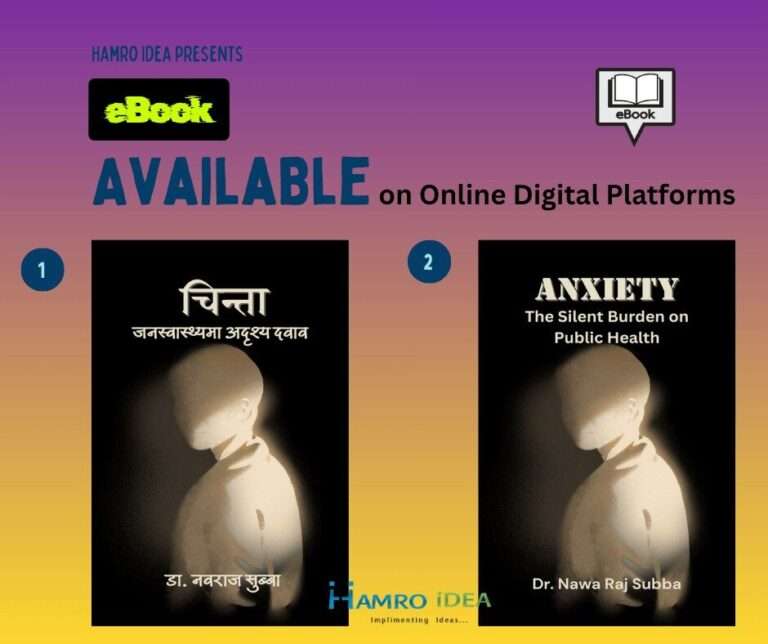
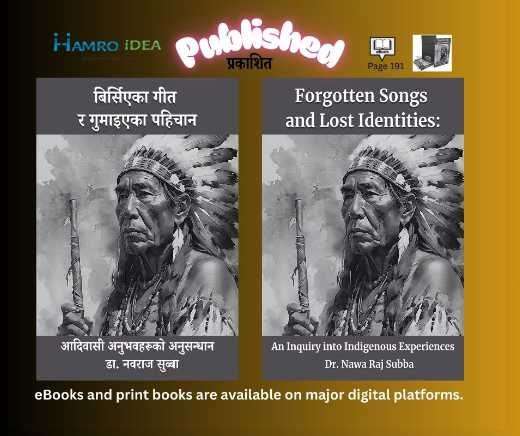
Forgotten Songs and Lost Identities

Forgotten songs and Lost identities

Forgotten Songs and Lost Identities: An Inquiry into Indigenous Experiences
Forgotten songs and Lost Identities

Forgotten Songs and Lost Identities: Why This Book Matters

History is not only in books. It reads us. History shapes us. It also reminds us who we are.

In Nepal, this truth is clear. Countless languages, cultures, and lifestyles built our society. Yet many traditions are fading.

Indigenous songs and rituals have disappeared. Some mixed with other religions. Others remain only in fragments.

It is this silence that the book Forgotten Songs and Lost Identities explores.

What the Book Explores

The book is based on decades of research. It uses oral stories, field visits, old relics, and community voices.

Through this, it argues that state-written history is incomplete. To know our roots, we must listen to buried voices.

Power and Identity

History often written by rulers. Power shaped which stories survived. As a result, many traditions misrepresented or erased.

Kirat gods linked to Shiva, Buddhism, or Christianity. Local holy names changed. Identities weakened. Self-esteem suffered.

When identity lost, memory and future power also fade.

Three Parts of the Book

First, the book explores Bon religion and Kirat tradition. This shows Nepal’s roots are older than Aryan culture.

Second, it studies transformation and resistance. Communities resisted suppression from the Lichchavi period to Gorkha unification.

Third, it looks at colonial-free thinking. Today, many indigenous groups are reclaiming their names and redefining identity.

Why It Matters

The book is not only about facts. It captures emotions and wounds carried by indigenous communities.

The forgotten songs echo pain but also strength. The lost identities still fight to be remembered.

Therefore, Forgotten Songs and Lost Identities is both history and a call to action. It asks us to listen again.
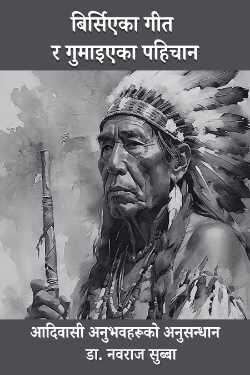
Forgotten Songs eBook/Paperback UBL

बिर्सिएका गीतहरू ईबुक UBL

Similar Posts

  • |

    जनस्वास्थ्य अभ्यास र अनुभव

    ‘Janaswasthya Abhyas Ra Anubhav’ ‘जनस्वास्थ्य अभ्यास र अनुभव’  (2074) by Dr. Nawa Raj Subba. The book comprises of twenty articles written in different public health issues and problems of district and national level in Nepal. This book is written on public health activities based on research and experience of the author. लेखकले जिल्ला जनस्वास्थ्य कार्यालय…

  • Mundhum Aesthetics

    The Meeting of the Old Rhythm and the Consciousness of Modernity. The Mundhum Aesthetics is a profound philosophical document in which the sounds of the Kirat civilisation that have disappeared are brought up to date with current thought. Mundhum is not merely a collection of chants and rituals; it is a sort of aesthetic vision,…

  • | |

    मनको-मझेरी

    नवराज सुब्बाका निबन्धहरू: मनको मझेरी नवराज सुब्बाद्वारा लिखित “मनको मझेरी” निबन्धसंग्रह २०६४ सालमा वाणी प्रकाशन, विराटनगरद्वारा प्रकाशित एक चर्चित कृति हो। यो संग्रहमा २० वटा निबन्ध समावेश छन्, जसले सामाजिक, सांस्कृतिक, साहित्यिक र व्यक्तिगत अनुभूतिहरूलाई गहिरो रूपमा उजागर गर्छ। “मनको मझेरी” निबन्धसंग्रह २०६४ संग्रहका विशेष निबन्धहरू: नयाँ नेपालको चित्र तस्वीरमा पोखिएका कविताहरू श्रद्धाञ्जलि एउटी लिम्बूनीलाई…

  • Kirat Mundhum:

    Exploring the Ancestral Wisdom and Spiritual Ecology of the Indigenous Himalayan Kirat Civilization Dr. Nawa Raj Subba About the Book: ‘Kirat Mundhum– Of Earth and Ancestors’ Kirat Mundhum: Of Earth and Ancestors is a fascinating look at the Kirat people of the Himalayas, an ancient society whose spiritual beliefs go back before the Vedic era….

  • An Investigation of Tungdunge Mundhum, A Kirat Mythology

    Tungdunge Mundhum is a cultural heritage of the Kirat Limbu community. Ancestral worship is a prominent practice within the Kirat culture, particularly among the Samba clan. It can be called a mythology. This study aims to look scientifically at the knowledge, values , and beliefs hidden within the civilization. In this book, there is a…