sam-upma-mundhum-philosophy

Sām-Ūpmā Mundhum Philosophy

eBook

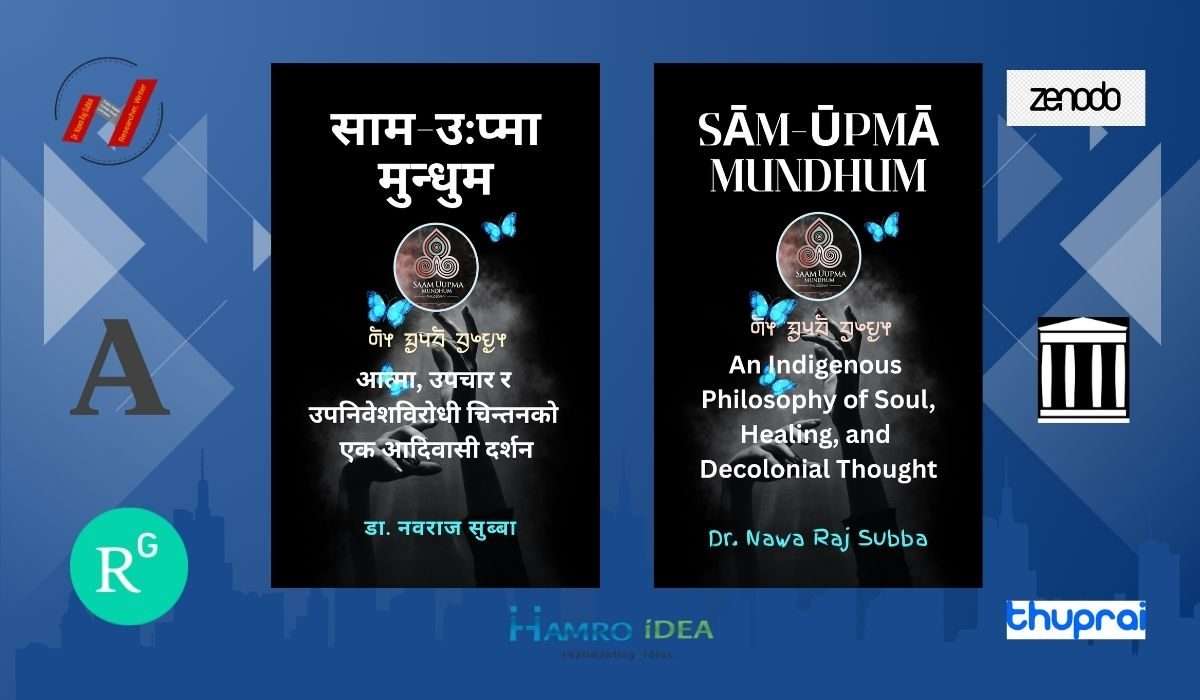
साम उ:प्मा मुन्धुम: आत्मा, उपचार र उपनिवेशविरोधी चिन्तनको एक आदिवासी दर्शन

“साम–उप्मा मुन्धुम दर्शन” हाम्रो लागि समय सान्दर्भिक र अति आवश्यक आवाज हो, जसले किरात लिम्बू संस्कृतिको पवित्र माटोमा गढिएको आदिवासी ज्ञानलाई पुनःस्थापना र पुनर्जीवन दिने प्रयास गर्छ। यो डा. नवराज सुब्बा—एक अनुसन्धानकर्ता, कवि र सांस्कृतिक दार्शनिक—द्वारा प्रस्तुत गरिएको बौद्धिक तथा आध्यात्मिक आव्हान हो।
यस दर्शनको आधारभूत अवधारणा हो—व्यक्तिको “साम” (प्राण वा चेतनाको सार) छुट्टिएपछि पीडा उत्पन्न हुन्छ। लिम्बू सृष्टिजगतको सन्दर्भमा “उप्मा” (सातो बोलाउने विधि) केवल अनुष्ठान नभएर गहिरो दार्शनिक अभ्यास हो। मौखिक परम्परा, तत्वदर्शन र जीवनअनुभूतिमा आधारित यस कृतिले आत्मचिन्तन, समुदाय र ब्रह्माण्ड बुझ्नका लागि नयाँ दृष्टिकोण प्रस्तुत गर्दछ।
यो पुस्तक १२ अध्यायमा विस्तारित छ, जसमा साम–उप्मा प्रणालीको अस्तित्ववाद (ontology), ज्ञानमीमांसा (epistemology), नीतिशास्त्र (ethics) र उपचारत्मक तर्क (healing logic) को विवेचना गरिएको छ। डा. सुब्बाले स्थानीय तथा वैश्विक सन्दर्भमा यस सिद्धान्तलाई सुसम्बद्ध रूपमा प्रस्तुत गर्दै आदिवासी दृष्टिकोण, अन्य दर्शन, अनुसन्धान र मुन्धुम मौखिक गाथालाई आधुनिक मनोविज्ञान, आध्यात्मिकता र उपनिवेश–मुक्त विचारसँग जोड्नुभएको छ।
“साम–उप्मा मुन्धुम दर्शन” केवल एक दर्शन होइन, यो पूर्वजहरूको ज्ञान, पवित्र सन्तुलन र उपचारको अभ्यासलाई पुनःस्थापित गर्न आवश्यक स्मरण हो—जसले हाम्रो वातावरण, समाज र आत्मासँग पुनःसम्बन्ध जोड्ने बाटो देखाउँछ।
यो पुस्तक प्राचीन स्मृतिहरू र आधुनिक व्याख्याबीचको सीमामा यात्रा गर्न चाहने बौद्धिक, खोजीकर्ताहरू र संस्कृतिकर्मीहरूका लागि लक्षित गरिएको छ।

Internet Archive

Publications

Sām-Ūpmā Mundhum: An Indigenous Philosophy of Soul, Healing, and Decolonizing Thought

The Sām-Ūpmā Mundhum Philosophy for us is a timely and much-needed voice that seeks to reclaim and revitalize our indigenous wisdom rooted in the holy soil of the Kirat Limbu culture of the land of Nepal. This is an intellectual and spiritual invocation by Dr. Nawa Raj Subba, a researcher, poet, and cultural philosopher.

Its premise is that misery springs from detaching someone’s sām (soul or living essence). The practice of Ūpmā (soul retrieval) in the Limbu cosmogony is a philosophical endeavor beyond a ritual. Informed by oral tradition, metaphysical investigation, and lived experience, this book presents a new model for understanding one’s self, one’s community, and the universe.

This work unfolds in ten chapters and discusses the ontology, epistemology, ethics, and healing logic of the Sām-Ūpmā system. Dr. Subba grounds this theory in both local and global settings, deftly combining indigenous viewpoints, other philosophies, research, and Mundhum oral stories into modern debates on psychology, spirituality, and decolonization.

Sām-Ūpmā Mundhum philosophy is not only a theory; it’s a necessity to remember ancestral knowledge, holy harmony, and healing by re-establishing our connection with the environment, society, and our inner selves.

This book is for academics and seekers as well as cultural intellectuals wishing to wander the boundaries between ancient memory and modern interpretation.
Zenodo

Thuprai

Similar Posts

  • Traditional and Modern Health Care Practices and Effects on Rajbanshi

    This is a descriptive and cross-sectional study on the Rajbanshi of Nepal undertaken in 2010. The common theories in Ethnographic/Indigenous Psychological perspective, Social Construction theories, and Public Health perspectives have navigated the study. This study poses both qualitative and quantitative methods: interviews, observations, and examinations. Household samples were randomly taken and clusters taken by purposive…

  • |

    Shaivism: A Spiritual and Historical Exploration of Its Origins and Evolution

    Dr. Nawa Raj Subba Mythology and Cosmology in the Shaivism Belief System Shaivism is about much more than faith and ceremony; it is a perspective on the dynamic nature of universal energy, one of self-realization, and deep spirituality. In Shaiva, Shiva is “Satchidananda” (Sat-Chit-Ananda) — existence, consciousness, bliss. This research investigates the intellectual and symbolic aspects of Shaivism…

  • Kirat Limbu Culture

    Human existence is believed to be incomplete without the enrichment of culture. Some individuals wholeheartedly immerse themselves in their cultural surroundings, while others observe from a distance.

    The ancient Kirat civilization of Nepal predates any religious texts we have. Unfortunately, their profound cultural wisdom has primarily faded, leading to a disheartening void in our understanding of ancient knowledge. The plight of the indigenous communities in the land nurtured by their toil and sacrifice is a cause for concern. Neglecting the valuable contributions of these indigenous communities in the name of progress leaves us incomplete.

    Through a thorough anthropological study of the Kirat Limbu community, we’ve arrived at factual and logical conclusions regarding the questions they’ve raised. This writer endeavors to share this information, driven purely by academic value and recognition.

    Recognizing his responsibility, this writer, in the later stages of life, has felt a sense of urgency in preserving the positivity of research. The book is published to document synthesized knowledge based on trustworthy information and data, thereby sharing it with readers.

    This book has expected to be a valuable resource for those seeking to understand the true essence of Nepali soil, to explore the rich Kirat civilization, its culture, and the intricate tapestry of ethnic issues—best of luck on this enlightening journey.

  • | |

    जनस्वास्थ्यका-सवालहरू

    जनस्वास्थ्यका-सवालहरू: जनचेतना र स्वास्थ्य प्रबर्धनका लागि मार्गदर्शक पुस्तक विधा: लेखलेखक: नवराज सुब्बासंस्करण प्रथम: २०६४पुस्तकमा संग्रहित लेखहरू: ४९ परिचय जनस्वास्थ्यका-सवालहरू नवराज सुब्बाद्वारा लिखित, जनस्वास्थ्य र जनचेतना सम्बन्धी ४९ लेखहरूको संग्रह हो। यो पुस्तक जनस्वास्थ्यका विविध पक्ष, स्वास्थ्य समस्याहरू, तिनका समाधान, र स्वास्थ्य नीति तथा कार्यक्रमहरूको बारेमा गहन जानकारी दिन्छ। यसले साधारण पुस्तकका मुख्य विषयवस्तुहरू यस पुस्तकमा…

  • | |

    जीवन-मेरो-शब्दकोशमा

    कविता संग्रह “जीवन मेरो शब्दकोशमा” बरिष्ठ कवि बैरागी काइँलाको टिप्पणी नवराज लिम्बू सुब्बाको कवितासंग्रह “जीवन मेरो शब्दकोशमा” को पाण्डुलिपि पढ्ने अवसर पाएँ। यो संग्रहमा वि.सं. २०३५ देखि २०६२ सम्म लेखिएका ४७ कविता समेटिएका छन्। सबैभन्दा पहिले, कवि जागिरे जीवन बिताउँदै विभिन्न ठाउँमा पुग्थे। यस क्रममा उनले ठाउँ र परिस्थितिका प्रभावबाट प्रेरित भएर कविता लेखेका छन्।…