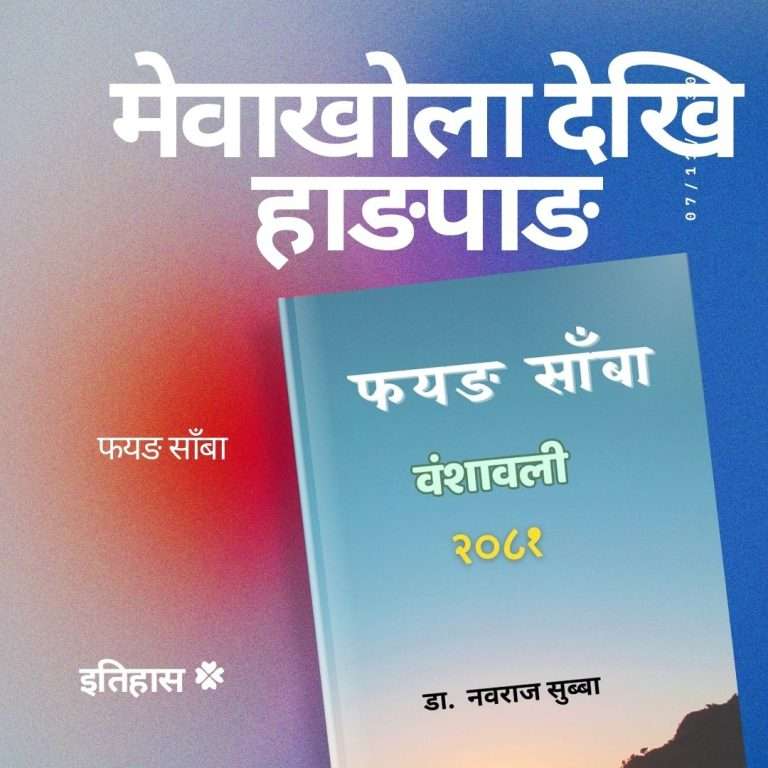
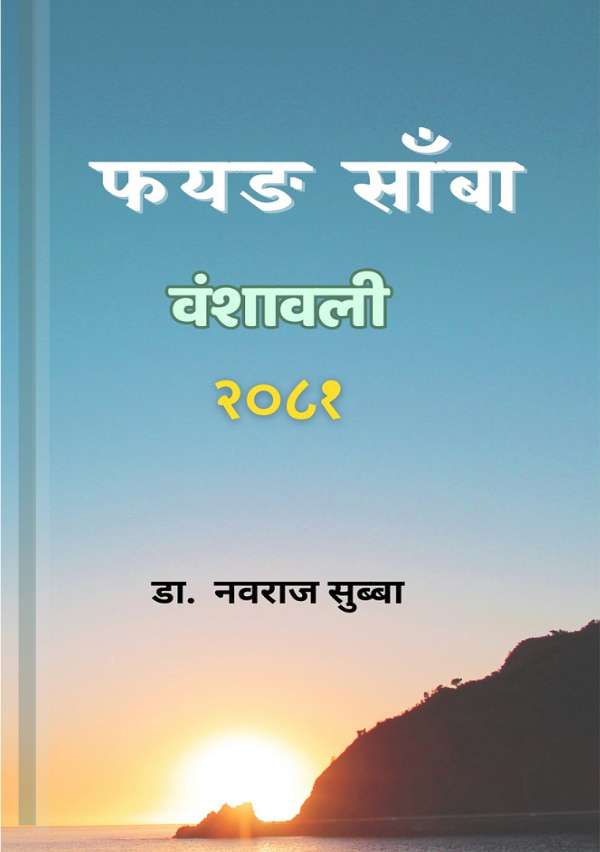
वंशावली-२०८१
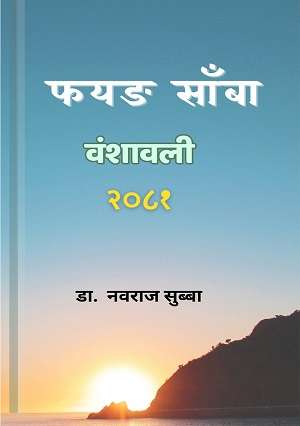
डा. नवराज सुब्बा
वंशावली-२०८१: हाम्रो इतिहास र पहिचानको दस्तावेज
वंशावली भनेको केवल नामहरूको सूची होइन, यो हाम्रो जरा र इतिहासको ऐतिहासिक दस्तावेज हो। वंशावली-२०८१ ले हाम्रो परिवार र समुदायलाई केवल जोड्ने मात्र होइन, हाम्रो जातीय इतिहास र पहिचानलाई राष्ट्रिय परिप्रेक्ष्यमा प्रस्तुत गर्ने महत्त्वपूर्ण माध्यम बनेको छ। यस लेखमा, वंशावली-२०८१ कसरी तयार भयो, यसले हाम्रो इतिहासलाई कसरी समेट्छ, र यसका अद्यावधिक विशेषताहरूको चर्चा गरिनेछ।
वंशावली-२०८१ किन लेखियो?
वंशावली-२०८१ लेखनको उद्देश्य पुरानो वंशावलीलाई अद्यावधिक गर्नु मात्र थिएन। यो वंशावलीले:
- फयङ साँबा समुदायको सम्पूर्ण इतिहासलाई समेट्ने प्रयास गर्यो।
- अन्य किरात लिम्बू वंशावलीहरूसँग तुलनात्मक बनाउन खोज्यो।
- समुदायको पहिचान र अस्तित्वलाई इतिहाससँग जोड्ने माध्यम बनायो।
Genealogy-2081: A Chronicle of Our History and Identity
Genealogy is not merely a list of names; it is a historical document that preserves our roots and legacy. Genealogy-2081 serves not only as a bridge connecting family and community members but also as a vital resource linking our ethnic history and identity to the broader national narrative. This article explores how Genealogy-2081 was created, how it encapsulates our history, and its updated features.
Why Was Genealogy-2081 Created?
The primary goal of Genealogy-2081 was not just to update the existing genealogical records but to:
- Comprehensively document the history of the Phyang Samba community.
- Make it comparable to other Kirat Limbu genealogies.
- Serve as a medium to connect community identity and heritage with the nation’s history.
Historical Background of Genealogy-2081
The Roots at Mewakhola
In 2016 B.S., the Phyang Samba family migrated from Mewakhola to Athrai Hangpang, realizing the importance of genealogy to safeguard their kipat land rights. Traditional sources like Tundunge Mundhum further reinforced the authenticity of the genealogy.
Genealogy-2056: The Foundation
The publication of Genealogy-2056 marked the initial framework for genealogical documentation.
The Creation Process of Genealogy-2081
How Was Genealogy-2081 Compiled?
- Data were collected from members residing across Nepal, the UK, India, Bhutan, and Sikkim.
- The information was verified and analyzed using scientific methods.
- In 2081 B.S., the updated genealogy was published as a book.
Contributions and Support
Genealogy-2081 is the result of the collective effort of four generations. The contributions of community members from different parts of the world were invaluable in its creation.
Features of Genealogy-2081
Inclusion of Extended Branches
- The genealogy incorporates detailed records of branches in Sikkim and Panchthar.
- Previous errors have been corrected to enhance accuracy.
Scientific Methodology and Objectivity
Genealogy-2081 has been developed based on anthropological studies. It ensures factual representation by relying on verified data and sources.
Challenges and Experiences in Writing Genealogy-2081
Obstacles in the Process
The journey of compiling the genealogy faced challenges such as intellectual property theft and unethical practices. However, these obstacles further strengthened the resolve to make the genealogy authentic.
Positive Support
The project was made possible through financial and informational support from community members worldwide.
Future Plans for Genealogy-2081
The Importance of Continuous Updates
Genealogy writing is a continuous process. Future editions aim to:
- Include maternal lineage for better kinship tracing.
- Highlight the achievements and contributions of distinguished community members.
Digital Genealogy
Genealogy-2081 is now available online, enabling family members to access their history and roots more easily.
Genealogy-2081: A Symbol of Pride for Our History
Genealogy-2081 is not just a book but a reflection of the history, identity, and unity of the Phyang Samba community. It serves as a cornerstone of pride and inspiration for future generations to connect with their roots and heritage.
Genealogy-2081: Our Legacy, Our Identity.
What Is Genealogy? An Anthropological/Philosophical Reconsideration
Genealogy and Pedigree