Health-Seeking Behaviour
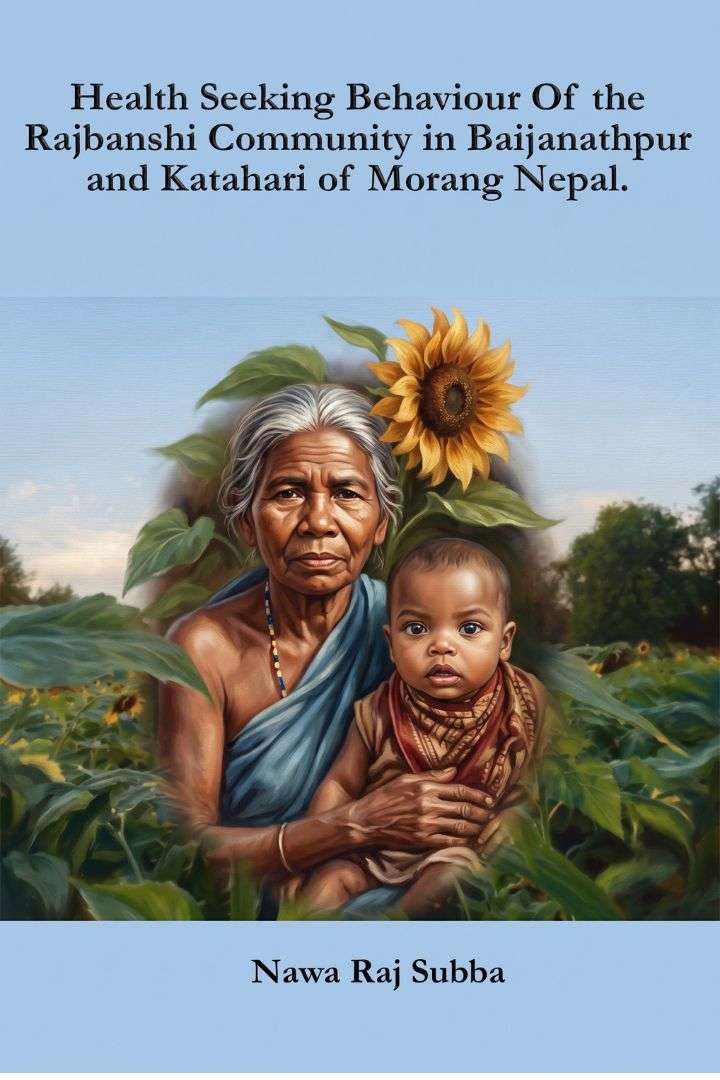
Health Seeking Behaviour of the Rajbanshi community in Baijanathpur and Katahari of Morang Nepal
Nepal is using a wide variety of health care practices—both modern, traditional, alternative and self-medication. Just putting in the facilities won’t make them accessible if they are not; hence, understanding of sociocultural factors is imperative. In this study carried out in the Katahari and Baijanathpur wards of Morang district in 2001, the health behaviour, expenditure and satisfaction of the Rajbanshi ethnic group. It looked into in 175 households.
Findings
The literacy rate was 65% among the surveyed population, mostly an agrarian population with less land ownership. Body aches and ARIs (mainly fever) were the most common diseases with high prevalence, especially in the elderly population. As for those who visited a health centre for treatment, 72% went to private clinics and 15.4% went to government health posts. Socio-economic factors played a significant role in healthcare decisions. Poor and uneducated people within the community had a greater dependence on self-medication practices, often visiting traditional healers and local medicine retailers. In contrast, people with higher education and income were much more inclined to use and were much more satisfied with alternative medicine.
Major Concern
Affordability of healthcare came to the fore as a major concern. The mean cost of treatment was Rs. The majority of this cost (Rs. 1031.64) was for medicine and consultation fees. As a result, 73.1 per cent of those treated were unable to pay their healthcare costs and had to borrow money or sell personal possessions, farmland, livestock and other assets in order to recover.
In the realm of public health services, most cited the role of female community health volunteers and the use of immunisation camps, but a large proportion (89.2 per cent) did not know anything about maternal and child health workers, traditional birth attendants, and primary healthcare outreach clinics, or their services.
Recommendation
The study suggests that the integration of the traditional healers and local medicine vendors into the formal medical referral system is the remedy for these disparities because they are the first point of contact with impoverished people. In addition, we need to organise mobile health camps free of cost by the government to reduce the heavy financial burden on the marginalised groups. Last but not least, awareness creation and specialised training are in dire need for staffing both health workers and the general public with information on available maternal and primary healthcare services.
ISBN: 978-9-93-713554-2
Citation
Subba, N. R. (2026). Health Seeking Behaviour of Rajbanshi Community in Baijanathpur and Katahari of Morang Nepal. In Health Seeking Behaviour of the Rajbanshi community in Baijanathpur and Katahari of Morang Nepal (2nd ed., p. 77). Hamro Idea. https://doi.org/10.5281/zenodo.22895063