Munshum Aesthetics

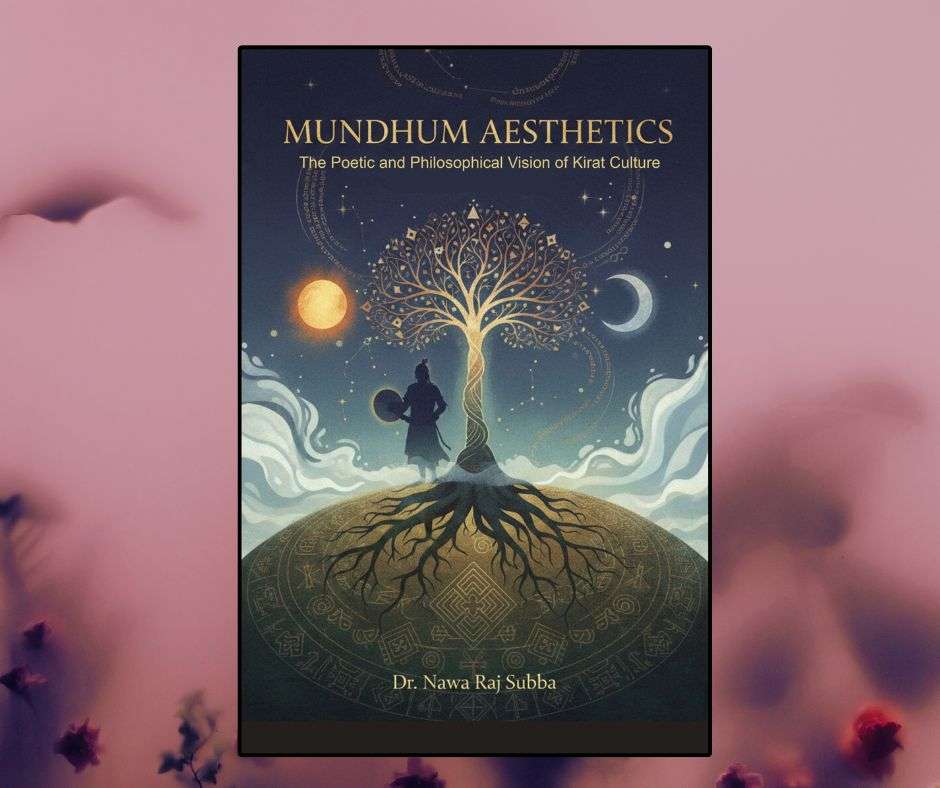
Mundhum Aesthetics

The Meeting of the Old Rhythm and the Consciousness of Modernity.

The Mundhum Aesthetics is a profound philosophical document in which the sounds of the Kirat civilisation that have disappeared are brought up to date with current thought. Mundhum is not merely a collection of chants and rituals; it is a sort of aesthetic vision, an eternal way of life that brings humanity, nature, and the universe together. Mundhum scholar and health psychologist Dr. Nawa Raj Subba builds a solid intellectual bridge between Western aesthetic inquiry, Indian Rasa theory, and native wisdom, making Mundhum consciousness an important discourse on the global stage.

Essence

This study carefully examines the group soul in the Sakela dance, the creative force of the Chyabrung drum, and the philosophical innuendo of Mip-ma (reflective memory). The essence lies in the Sublime (Udatt) and in the statistical correlation between the grandeur of the Himalayas, the musical nature of rivers, and the holiness of the three-stone fire.

Message

The main message of the book is quite clear: instead of seeking the solitary and darkened heights of ego, true beauty is to become like the earth—enormous, strong, and unselfish. For the contemporary person who is living in environmental disasters, psychological pressures, and the need to find themselves, the book is a “philosophical guidebook” and a “primordial antidote” to returning to the primordial rhythms of nature.

Similar Posts

  • मनको मझेरी

    नवराज सुब्बाको मनको मझेरीमा लेख्न लागेको यो मेरो भूमिका अन्तिम हुनसक्छ । अन्तिम नहुन पनि सक्छ । किनभने भोलि नेपाली साहित्यमा नवराजहरू आउलान्, तीनलाई स्वागत गर्न, माला लगाइदिन र नायक बनाउन अवश्य बाध्य हुनुपर्छ भन्ने मलाइ लाग्

  • |

    जनस्वास्थ्य अभ्यास र अनुभव

    ‘Janaswasthya Abhyas Ra Anubhav’ ‘जनस्वास्थ्य अभ्यास र अनुभव’  (2074) by Dr. Nawa Raj Subba. The book comprises of twenty articles written in different public health issues and problems of district and national level in Nepal. This book is written on public health activities based on research and experience of the author. लेखकले जिल्ला जनस्वास्थ्य कार्यालय…

  • |

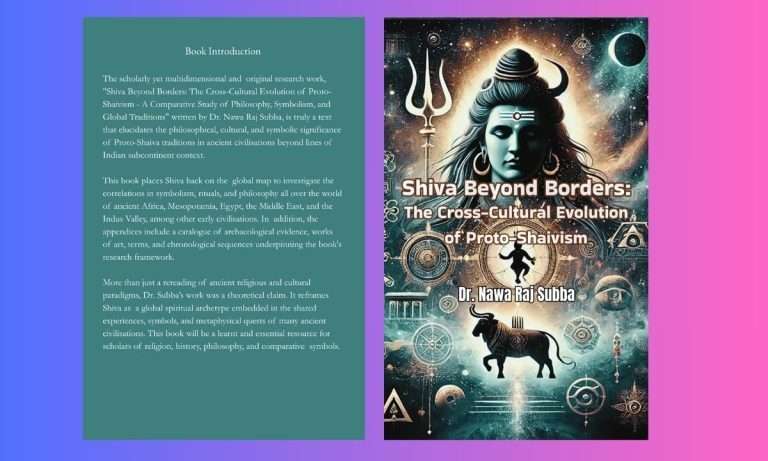
    Shaivism: A Spiritual and Historical Exploration of Its Origins and Evolution

    Dr. Nawa Raj Subba Mythology and Cosmology in the Shaivism Belief System Shaivism is about much more than faith and ceremony; it is a perspective on the dynamic nature of universal energy, one of self-realization, and deep spirituality. In Shaiva, Shiva is “Satchidananda” (Sat-Chit-Ananda) — existence, consciousness, bliss. This research investigates the intellectual and symbolic aspects of Shaivism…

  • Sām-Ūpmā Mundhum Philosophy

    eBook साम उ:प्मा मुन्धुम: आत्मा, उपचार र उपनिवेशविरोधी चिन्तनको एक आदिवासी दर्शन “साम–उप्मा मुन्धुम दर्शन” हाम्रो लागि समय सान्दर्भिक र अति आवश्यक आवाज हो, जसले किरात लिम्बू संस्कृतिको पवित्र माटोमा गढिएको आदिवासी ज्ञानलाई पुनःस्थापना र पुनर्जीवन दिने प्रयास गर्छ। यो डा. नवराज सुब्बा—एक अनुसन्धानकर्ता, कवि र सांस्कृतिक दार्शनिक—द्वारा प्रस्तुत गरिएको बौद्धिक तथा आध्यात्मिक आव्हान हो।यस…

  • Kirat Limbu Culture

    Human existence is believed to be incomplete without the enrichment of culture. Some individuals wholeheartedly immerse themselves in their cultural surroundings, while others observe from a distance.

    The ancient Kirat civilization of Nepal predates any religious texts we have. Unfortunately, their profound cultural wisdom has primarily faded, leading to a disheartening void in our understanding of ancient knowledge. The plight of the indigenous communities in the land nurtured by their toil and sacrifice is a cause for concern. Neglecting the valuable contributions of these indigenous communities in the name of progress leaves us incomplete.

    Through a thorough anthropological study of the Kirat Limbu community, we’ve arrived at factual and logical conclusions regarding the questions they’ve raised. This writer endeavors to share this information, driven purely by academic value and recognition.

    Recognizing his responsibility, this writer, in the later stages of life, has felt a sense of urgency in preserving the positivity of research. The book is published to document synthesized knowledge based on trustworthy information and data, thereby sharing it with readers.

    This book has expected to be a valuable resource for those seeking to understand the true essence of Nepali soil, to explore the rich Kirat civilization, its culture, and the intricate tapestry of ethnic issues—best of luck on this enlightening journey.