Books

Nawa Raj Subba

  • |

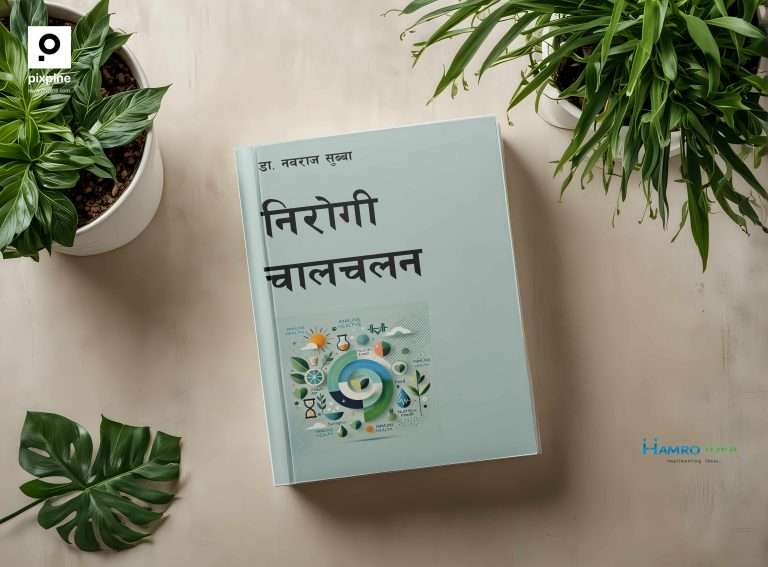
    निरोगी चालचलन

    डा. नवराज सुब्बा परिचय ‘निरोगी चालचलन’ प्रतिरक्षा स्वास्थ्यबारे जानकारी दिने पुस्तक हो।यसले रोगबाट जोगाउने रोकथाम उपायहरू प्रस्तुत गर्दछ।पुस्तक जीवनशैली सुधारमा विशेष जोड दिन्छ।गलत जीवनशैलीमा सकारात्मक परिवर्तन गर्न प्रेरित गर्छ।यसमा वैज्ञानिक प्रमाणहरूको उपयोग गरिएको छ। एकीकृत रणनीतिहरू प्रतिरक्षा प्रणाली बलियो बनाउँछ।पुस्तकले संक्रामक रोगको जोखिम कम गर्न सहयोग गर्छ।स्वास्थ्यकर जीवनशैली अपनाउन पाठकलाई प्रेरणा दिन्छ। तन्दुरुस्ती चाहनेका लागि…

  • |

    Towards Immune Health

    Dr. Nawa Raj Subba Book Introduction This book is not just a theory but is a collection of practical counseling based on research findings on immune health. It has compiled new knowledges system presented in the chapters. The chapters are assessing immune health in the context of lifestyle focussing preventive measures. The book emphasizes the…

  • An Investigation of Tungdunge Mundhum, A Kirat Mythology

    Tungdunge Mundhum is a cultural heritage of the Kirat Limbu community. Ancestral worship is a prominent practice within the Kirat culture, particularly among the Samba clan. It can be called a mythology. This study aims to look scientifically at the knowledge, values , and beliefs hidden within the civilization. In this book, there is a…

  • किरात लिम्बू संस्कृति

    किरात लिम्बू संस्कृति पुस्तक समुदायको सांस्कृतिक अध्ययन हो। भनिन्छ, परम्परा बिना मान्छेको जीवन अपूर्ण हुन्छ। यही पूर्णताका लागि मानिस संस्कृतिमा लीन हुन्छन् कोही अलि टाढा बसेर त्यही नियाल्दछन्। नेपालका किरात जाति कुनै पनि प्राचीन धर्म ग्रन्थ भन्दा पुराना जाति हुन्। यिनीहरूका संस्कृति अनि ज्ञान आज ओझेलमा परेका छन्। यही अन्यौलपन आज पीडा बनेको छ। आदिवासीका…

  • Kirat Limbu Culture

    Human existence is believed to be incomplete without the enrichment of culture. Some individuals wholeheartedly immerse themselves in their cultural surroundings, while others observe from a distance.

    The ancient Kirat civilization of Nepal predates any religious texts we have. Unfortunately, their profound cultural wisdom has primarily faded, leading to a disheartening void in our understanding of ancient knowledge. The plight of the indigenous communities in the land nurtured by their toil and sacrifice is a cause for concern. Neglecting the valuable contributions of these indigenous communities in the name of progress leaves us incomplete.

    Through a thorough anthropological study of the Kirat Limbu community, we’ve arrived at factual and logical conclusions regarding the questions they’ve raised. This writer endeavors to share this information, driven purely by academic value and recognition.

    Recognizing his responsibility, this writer, in the later stages of life, has felt a sense of urgency in preserving the positivity of research. The book is published to document synthesized knowledge based on trustworthy information and data, thereby sharing it with readers.

    This book has expected to be a valuable resource for those seeking to understand the true essence of Nepali soil, to explore the rich Kirat civilization, its culture, and the intricate tapestry of ethnic issues—best of luck on this enlightening journey.