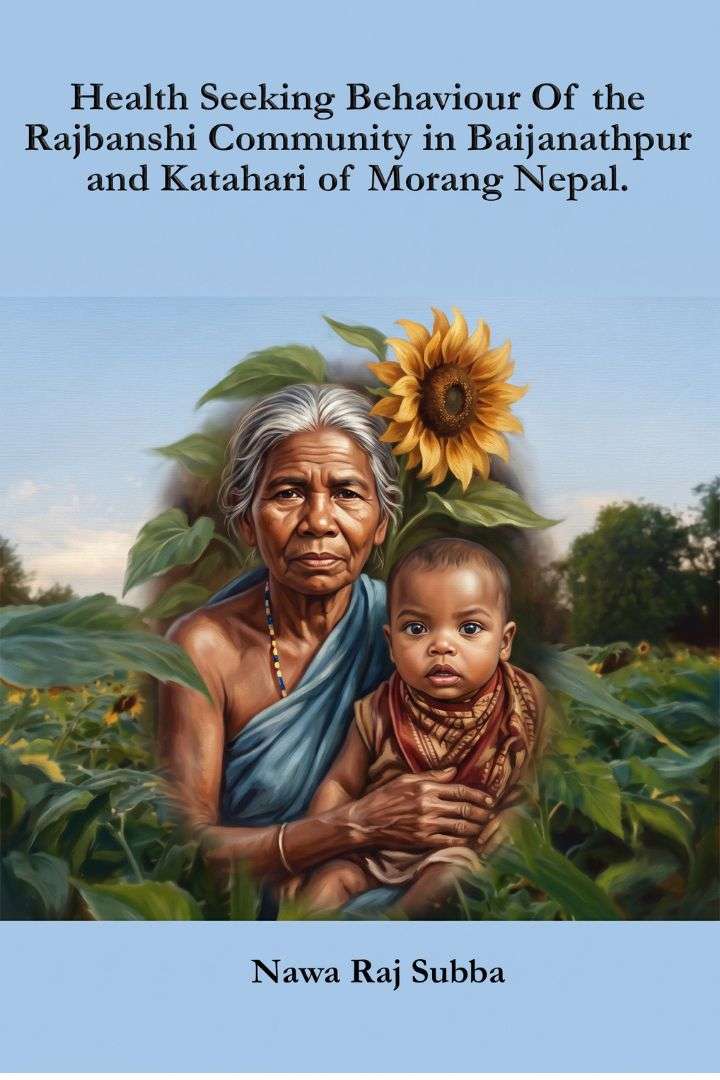
Health Seeking Behaviour of the Rajbanshi community in Baijanathpur and Katahari of Morang Nepal
|

Health-Seeking Behaviour

Health Seeking Behaviour of the Rajbanshi community in Baijanathpur and Katahari of Morang Nepal

Nepal is using a wide variety of health care practices—both modern, traditional, alternative and self-medication. Just putting in the facilities won’t make them accessible if they are not; hence, understanding of sociocultural factors is imperative. In this study carried out in the Katahari and Baijanathpur wards of Morang district in 2001, the health behaviour, expenditure and satisfaction of the Rajbanshi ethnic group. It looked into in 175 households.

Findings

The literacy rate was 65% among the surveyed population, mostly an agrarian population with less land ownership. Body aches and ARIs (mainly fever) were the most common diseases with high prevalence, especially in the elderly population. As for those who visited a health centre for treatment, 72% went to private clinics and 15.4% went to government health posts. Socio-economic factors played a significant role in healthcare decisions. Poor and uneducated people within the community had a greater dependence on self-medication practices, often visiting traditional healers and local medicine retailers. In contrast, people with higher education and income were much more inclined to use and were much more satisfied with alternative medicine.

Major Concern

Affordability of healthcare came to the fore as a major concern. The mean cost of treatment was Rs. The majority of this cost (Rs. 1031.64) was for medicine and consultation fees. As a result, 73.1 per cent of those treated were unable to pay their healthcare costs and had to borrow money or sell personal possessions, farmland, livestock and other assets in order to recover.

In the realm of public health services, most cited the role of female community health volunteers and the use of immunisation camps, but a large proportion (89.2 per cent) did not know anything about maternal and child health workers, traditional birth attendants, and primary healthcare outreach clinics, or their services.

Recommendation

The study suggests that the integration of the traditional healers and local medicine vendors into the formal medical referral system is the remedy for these disparities because they are the first point of contact with impoverished people. In addition, we need to organise mobile health camps free of cost by the government to reduce the heavy financial burden on the marginalised groups. Last but not least, awareness creation and specialised training are in dire need for staffing both health workers and the general public with information on available maternal and primary healthcare services.

ISBN: 978-9-93-713554-2

Citation
Subba, N. R. (2026). Health Seeking Behaviour of Rajbanshi Community in Baijanathpur and Katahari of Morang Nepal. In Health Seeking Behaviour of the Rajbanshi community in Baijanathpur and Katahari of Morang Nepal (2nd ed., p. 77). Hamro Idea. https://doi.org/10.5281/zenodo.22895063
Similar Posts

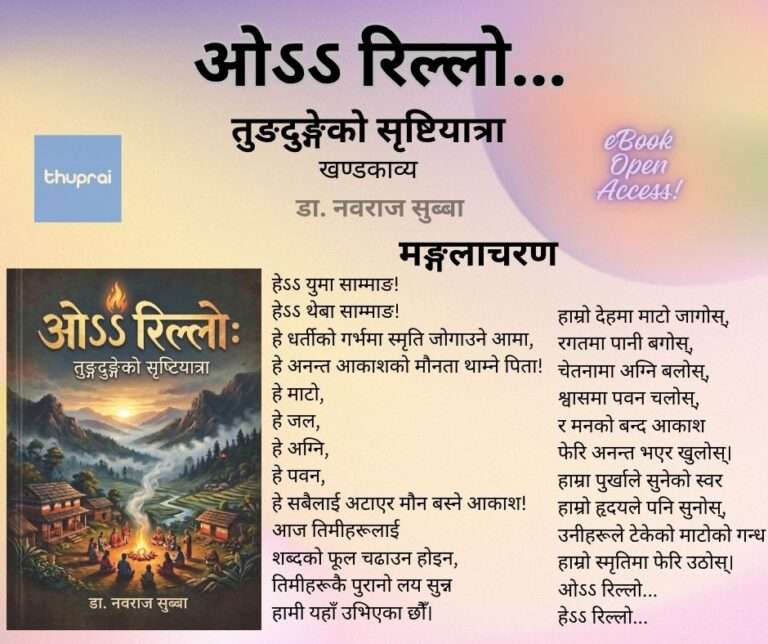
  • खण्डकाव्य ओऽऽऽ रिल्लो

    “ओऽऽऽ रिल्लो… तुङदुङ्गेको सृष्टियात्रा” मुन्धुमी चेतना, आदिवासी जीवनदर्शन र समकालीन मानवीय प्रश्नलाई हाक्पारेको गेय लयमा उनेर रचिएको खण्डकाव्य हो। यसका केन्द्रीय पात्र तुङदुङ्गे इतिहासका योद्धा मात्र होइनन्। उनी सृष्टिको रहस्य खोज्ने यात्री, प्रकृतिको भाषा सुन्ने चिन्तक र आफ्नै अन्तरात्मासँग युद्ध गर्ने मानव प्रतिनिधि हुन्। माटो, पानी, अग्नि, पवन र आकाशसँग संवाद गर्दै तुङदुङ्गे जीवन, न्याय,…

  • समाजशास्त्र, चिकित्सा र जनस्वास्थ्यसँगको सम्बन्ध

    चिकित्सा वा जनस्वास्थ्य पढेका विद्यार्थीले प्रायः एउटा स्वाभाविक प्रश्न सोध्छन्: हाम्रो विषयले नदिएको के कुरा मानवशास्त्रले दिन्छ? वास्तवमा यी विषयबीच धेरै कुरा मिल्छन्। मुख्य भिन्नता भनेको कुन कुरामा बढी ध्यान दिइन्छ, अध्ययन कसरी गरिन्छ र कस्तो प्रमाणलाई महत्त्व दिइन्छ भन्ने हो। चिकित्सा समाजशास्त्र र चिकित्सा मानवशास्त्र सँगसँगै विकसित भएका हुन्। यी दुई विषयले एकअर्काका विचार…

  • |

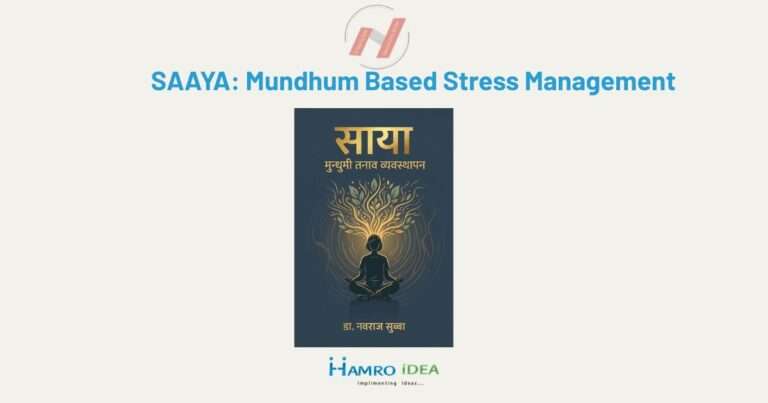
    सायाः मुन्धुमी तनाव व्यवस्थापन

    आधुनिक जीवनको तनाव र एक्लोपनबाट मुक्त हुने रैथाने मार्गको खोजी! २१ औँ शताब्दीको भौतिक सुविधा र डिजिटल चमकधमकका बीच आजको मानिस किन झन् बढी चिन्तित, अशान्त र एकाकी बन्दैछ? किन आधुनिक औषधिहरूले मात्र मानिसको आन्तरिक अशान्तिलाई पूर्ण रूपमा निको पार्न सकिरहेका छैनन्? जनस्वास्थ्यविद् तथा मानवशास्त्रीको गहन अध्ययन र अनुभवबाट जन्मिएको यो पुस्तक “साया: मुन्धुमी चेतना…

  • Kirat Limbu Culture

    Human existence is believed to be incomplete without the enrichment of culture. Some individuals wholeheartedly immerse themselves in their cultural surroundings, while others observe from a distance.

    The ancient Kirat civilization of Nepal predates any religious texts we have. Unfortunately, their profound cultural wisdom has primarily faded, leading to a disheartening void in our understanding of ancient knowledge. The plight of the indigenous communities in the land nurtured by their toil and sacrifice is a cause for concern. Neglecting the valuable contributions of these indigenous communities in the name of progress leaves us incomplete.

    Through a thorough anthropological study of the Kirat Limbu community, we’ve arrived at factual and logical conclusions regarding the questions they’ve raised. This writer endeavors to share this information, driven purely by academic value and recognition.

    Recognizing his responsibility, this writer, in the later stages of life, has felt a sense of urgency in preserving the positivity of research. The book is published to document synthesized knowledge based on trustworthy information and data, thereby sharing it with readers.

    This book has expected to be a valuable resource for those seeking to understand the true essence of Nepali soil, to explore the rich Kirat civilization, its culture, and the intricate tapestry of ethnic issues—best of luck on this enlightening journey.

  • | |

    बीच-बाटोमा-ब्यूँझेर

    लेखकः नवराज सुब्बा प्रकाशकः हाम्रो आइडिया, विराटनगर नेपाल दोस्रो संस्करण २०८३ साल कपिराइट © नवराज सुब्बा, २०८३ लाइसेन्सः यो पुस्तकको Creative Commons Attribution 4.0 International (CC BY 4.0) अन्तर्राष्ट्रिय लाइसेन्स अन्तर्गत खुला पहुँँच (Open Access) मा उपलब्ध गराइएको छ। स्थायी डिजिटल पहिचान (DOI): https://doi.org/10.5281/zenodo.23034768 Nawa Raj Subba, a celebrated voice in Nepali literature, brings another…

  • | |

    सहिदलाई-सलाम

    सहिदलाई-सलाम: गीतसंग्रहको परिचय सहिदलाई-सलाम गीतकार नवराज सुब्बाद्वारा लिखित  एउटा प्रेरणादायी गीतसंग्रह हो। २०६६ सालमा साझा प्रकाशनबाट प्रकाशित यो कृतिमा ५८ विविध विधाका गीतहरू समेटिएका छन्। यस पुस्तकमा देशभक्ति गीत, बालगीत, लोकलयमा आधारित गीत, हास्य–व्यङ्ग्य गीत, र आधुनिक गीतहरू संग्रहित छन्। गीतहरूले नेपाली समाज, संस्कृति, र राष्ट्रिय चेतनाका विविध आयामलाई समेटेर पाठकको मन छुने प्रयास गरेका…