Traditional and Modern Maternal and Child Health Care
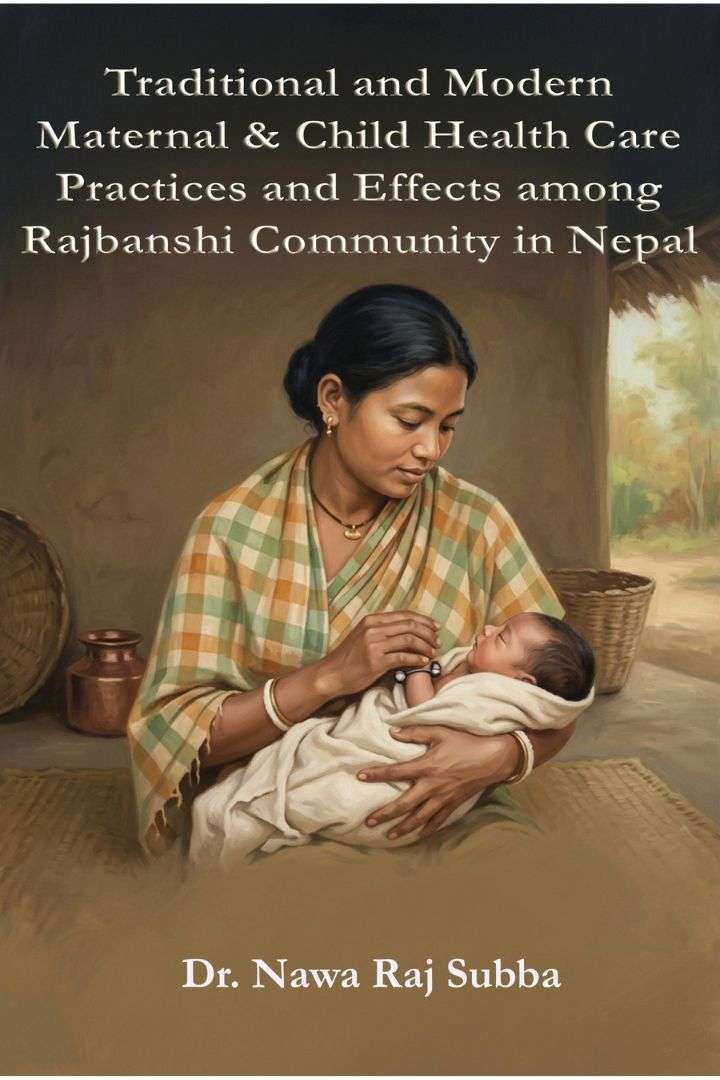
Traditional and Modern Maternal and Child Health Care Practices and Effects among the Rajbanshi Community in Nepal
This is a descriptive and cross-sectional study on the Rajbanshi of Nepal in 2010. The common theories in the ethnographic/indigenous psychological perspective, social construction theories and public health perspectives have navigated the study. This study poses both qualitative and quantitative methods: interviews, observations and examinations. Household samples were randomly taken, and clusters were taken by the purposive sampling method. Altogether 1514 people were accounted for in the samples. Tools were semi-structured questionnaires, checklists, EPDS, weighing machine and measuring tape.
Introduction
The Rajbanshi community is one of the marginalised indigenous people who resided in the southeastern part of Nepal. They have a unique tradition and culture. They have owned traditional health care practices. Guru Gosai and Gosai are traditional healers. In the Rajbanshi tradition, the causes of diseases and illnesses are deities, witchcraft, evil spirits, the touch of pithiya/chhatka and dirty environments or poor sanitation. They diagnose disease by looking at jokhana. After the findings, they treat patients by chanting of mantras or jharphuk, jadibuti, buti, ferani or bhakal. They are mainly taking modern care services from different levels of private clinics/nursing homes/hospitals and public health posts/hospitals simultaneously.
Findings
In the study, 93.87% of samples adopted modern and traditional dual practices concurrently. 74.14% of samples visited local medical clinics, and 14.41% visited hospitals for the treatment at first. A total of 28% of samples adopted solely modern care, whereas nobody adopted solely traditional practices. However, 11.50% of samples took traditional care at first for the mother and the child. 16% of pregnant women took first care from traditional healers. The study also identified the trend of traditional and modern care practices. Hospital delivery increased from 30.67% to 69.33% between the first and last deliveries, where home delivery decreased to 29.23% from 69.33%.
Mortality
In spite of good access to modern care services, the maternal and child mortality rates are high in those who are very poor, illiterate, remote and traditional practicing families in the community.
Nutrition
Likewise, children with underweight were in an alarming situation (72.53%) in those who are very poor, labouring, illiterate, rural and traditional practitioners. Postpartum depression in mothers associated with their stress and sleeplessness was statistically significant. The PPD in mothers was also tested with the husband’s smoking habit and found to be statistically highly significant (p=<.0001). Women of three groups are vulnerable: 1. Pithiya is a woman whose baby died or stillborn. 2. Chhatka is a mother who is suffering from abortion. 3. Tantra/mantra-practising women. People considered these women are causes of diseases. In such sociocultural circumstances, they become victims of social stigma.
Maternal Child Health Care
Traditional practices involve local barbers cutting the umbilical cord during delivery. They shave the newborn’s head with the traditional knives after a few days of the delivery. Therefore, this is is unsafe and can cause infection, including neonatal tetanus. They need training on using sterile blades. Awareness of reproductive rights in mothers needs to rise. They need an integrated mental health programme. Children need more nutritional programmes.
ISBN: 978-9-90-561204-4
Citation
Subba, N. R. (2026). Traditional and Modern Maternal and Child Health Care Practices and Effects among the Rajbanshi Community in Nepal. In Traditional and Modern Maternal and Child Health Care Practices and Effects among the Rajbanshi Community in Nepal (2nd ed., p. 157). Hamro Idea. https://doi.org/10.5281/zenodo.22895351