जीवन-मेरो-शब्दकोशमा
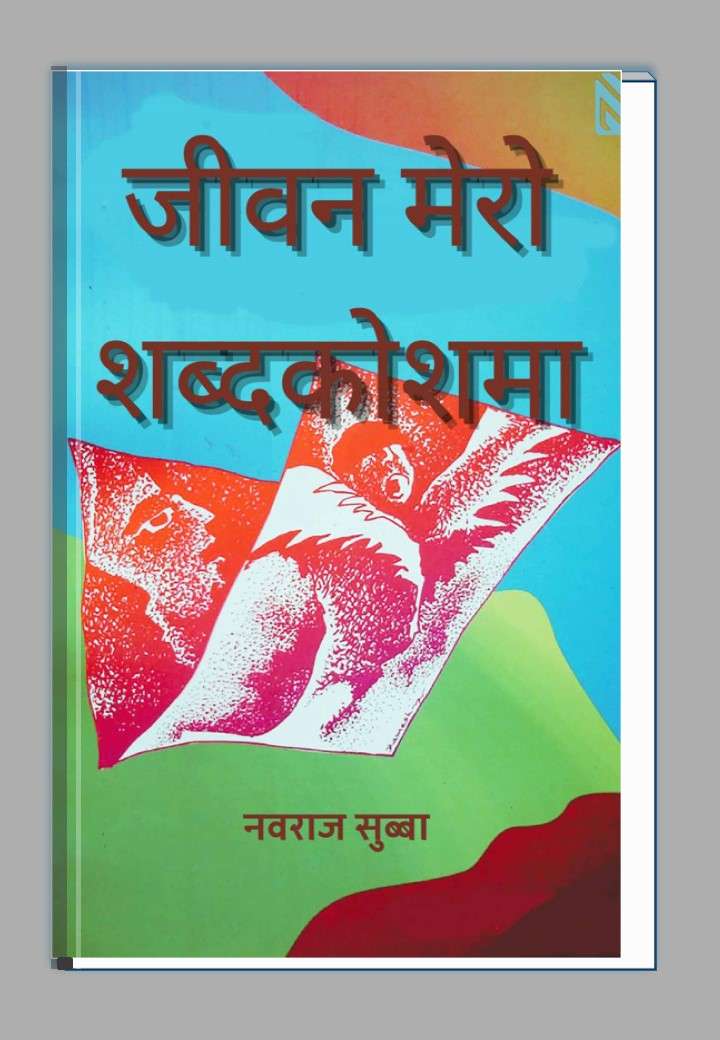
कविता संग्रह “जीवन मेरो शब्दकोशमा” बरिष्ठ कवि बैरागी काइँलाको टिप्पणी
नवराज लिम्बू सुब्बाको कवितासंग्रह “जीवन मेरो शब्दकोशमा” को पाण्डुलिपि पढ्ने अवसर पाएँ। यो संग्रहमा वि.सं. २०३५ देखि २०६२ सम्म लेखिएका ४७ कविता समेटिएका छन्।
सबैभन्दा पहिले, कवि जागिरे जीवन बिताउँदै विभिन्न ठाउँमा पुग्थे। यस क्रममा उनले ठाउँ र परिस्थितिका प्रभावबाट प्रेरित भएर कविता लेखेका छन्। यद्यपि, उनका कविताको मूल सार जीवन र जगतप्रतिको चिन्तनमा अडिएको छ।
विशेषगरी, जनमत संग्रहको समय (२०३५–२०३८) कविताको लागि उर्वर देखिन्छ। यो समयमा उनले धेरै कविता सिर्जना गरे। यसका साथै, काठमाडौँ र विराटनगरको साहित्यिक वातावरणले पनि उनको लेखनमा महत्त्वपूर्ण भूमिका खेलेको छ।
तर, धेरै कविता उनले आफ्नै गाउँ हाङपाङमा लेखेका छन्। गाउँले परिवेशप्रतिको भावुकताले उनका कवितालाई गहिरो प्रभाव दिएको छ। यसले उनको बाल्यकाल, गाउँको कष्टकर जीवन, र भावनात्मक जडतालाई उजागर गरेको छ।
Introduction to Nawa Raj Limbu Subba’s Poetry
I recently had the opportunity to read the manuscript of “जीवन मेरो शब्दकोशमा,” a poetry collection by Nawaraj Limbu Subba. This collection features 47 poems written between 2035 and 2062 B.S.
A Poet Inspired by Life’s Journey
Subba began writing poetry during his youth, while working in a government job. His work often took him to various districts and villages, or sometimes to Kathmandu for official duties. During these travels, he composed poems influenced by different times and places. Although his settings varied, the core of his poetry focuses on life and the world as he perceives them.
Peak Creativity During Political Transition
Interestingly, Subba’s most productive writing phase was between 2035 and 2038. This period coincided with the referendum and its aftermath. His stay in cities like Kathmandu and Biratnagar significantly influenced his work, thanks to their literary environments. However, his village, Hangpang in Taplejung, inspired him the most. Out of the 47 poems, 17 were written there, reflecting his deep connection to his roots.
Themes in Subba’s Poetry
Subba explores various themes in his work. His poems delve into life’s meaning, human struggles, and societal realities. Additionally, his youthful emotions and tender expressions of love stand out. He also writes for children, making his work inclusive for readers of all ages. Above all, humanity remains a recurring theme.
A Blend of Styles
Subba experiments with poetic forms. While he primarily uses prose poetry, he also composes free verse and lyrical pieces. His choice of style varies depending on the subject matter, adding diversity to his collection.
Reflections on Life
Life’s meaning is central to Subba’s poetry. He believes life is a blend of words, emotions, and aspirations. For example, he writes:
“Life means facing struggles, winning, and sometimes losing. It is filled with tears, smiles, and contradictions. In my dictionary, I constantly redefine, erase, and rewrite the meaning of life.”
Addressing Struggles with Resilience
Subba also discusses life’s hardships, such as poverty and hunger. Despite these challenges, he emphasizes resilience. In one poem, he writes:
“Let us not dwell on hunger and pain. Despite the chaos and challenges, we are still alive. Let us celebrate this survival.”
Capturing Nepal’s Social Realities
Subba’s poetry vividly portrays the struggles of Nepali society. His work captures the pain caused by violence, conflict, and insecurity. For instance, he writes:
“The air hums a love song, but today, it lacks charm. News of violence dominates, replacing melodies of love with fear.”
Connection to Rural Roots
Despite living in urban areas, Subba remains deeply connected to his rural origins. His poems often depict the natural beauty and struggles of village life. For instance, he reminisces about the familiar landscapes and cultural traditions of his hometown.
Conclusion
Nawaraj Limbu Subba’s poetry is a testament to his deep reflections on life, society, and humanity. Though his poetic journey has not been consistent, his works leave a lasting impression. His return to writing after a hiatus is a welcome contribution to Nepali literature.
By Bairagi Kaila, Senior poet and Chancellor of Nepal Academy.